A Family Day Along the Gatineau River: Route Highlights and Locomotive History

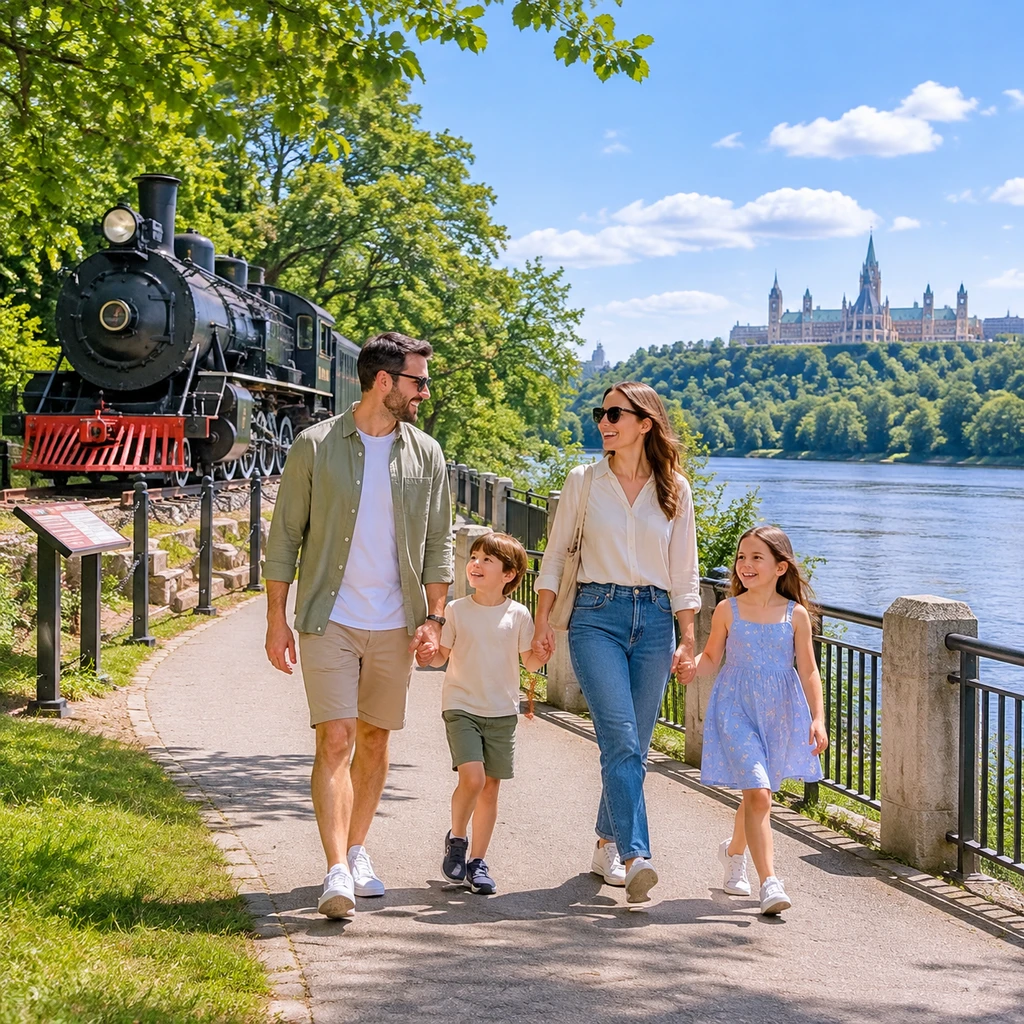
A day along the Gatineau River can bring together fresh air, waterside scenery, and a glimpse of the region’s railway past. For families, the best approach is to treat the route as a flexible outing rather than a race from one landmark to the next: choose a manageable stretch, pause often, and leave room for children to explore.
Because river paths, viewpoints, and railway displays can have different access arrangements, confirm current conditions before travelling. The exact route and locomotive site matter; avoid assuming that every stretch is paved, open year-round, or equipped with facilities.
Get to Know the Gatineau River Route
The Gatineau River route offers a chance to experience the river landscape at a family-friendly pace, with scenic views and opportunities to connect the natural setting to local history. What you can see depends on the section you choose and the current access conditions.
Along the river, look for changing views of the water, wooded banks, open areas, and places where the landscape invites a pause. A viewpoint can be a destination in itself for younger walkers: give children time to spot reflections, birds, boats, or changes in the riverbank rather than focusing only on how far they have travelled.
Some families may prefer a short walk, while others can explore by bicycle if the chosen route allows it. Check the surface and permitted uses before setting out; a path that suits a walking family may not be suitable for every bike, stroller, or mobility aid. The river is the natural thread of the outing, but the locomotive’s story adds another layer: it helps explain how transport and community life developed in the area.
Think of the visit as a combination of three elements: water, movement, and memory. The river offers the setting, walking or cycling provides the activity, and the historic locomotive gives children a tangible way to imagine travel in an earlier era.
Plan Your Route and Make Time for Stops
To plan a family route, choose a start and finish that suit your group, check the path and access information, then build in breaks rather than aiming for a fixed distance. A comfortable outing depends more on children’s energy and the route surface than on covering the most ground.
Before you go, identify the specific river section and locomotive location you want to visit. Use current municipal, park, or site information to confirm opening status, parking or transit options, path conditions, and whether the sites are close enough to combine on foot or by bicycle. Without verified local details, avoid relying on assumed distances or facilities.
A useful planning sequence is:
- Pick one main goal: a river viewpoint, an easy stretch of path, or the locomotive display. Add other stops only if they fit naturally.
- Set a turnaround point: choose a landmark or a time to head back, especially if children are walking.
- Allow for pauses: plan time for snacks, photographs, and unhurried looking. A short route with relaxed stops often works better than a longer walk with a tired finish.
- Keep a flexible option: if the weather changes or the group runs out of energy, shorten the walk and save the railway visit or another viewpoint for a future trip.
For a cycling outing, confirm whether bicycles are permitted on your chosen section and whether the surface matches your equipment and the youngest rider’s skills. Walking gives families more freedom to stop at small discoveries; cycling can cover more ground, but calls for extra attention to route rules and child safety.
The Locomotive and the Area’s Railway History
A historic locomotive connects the river outing to the region’s railway history by making earlier forms of transport visible and easier to discuss. The specific locomotive’s age, route, and role should be confirmed from reliable local interpretation or heritage records.
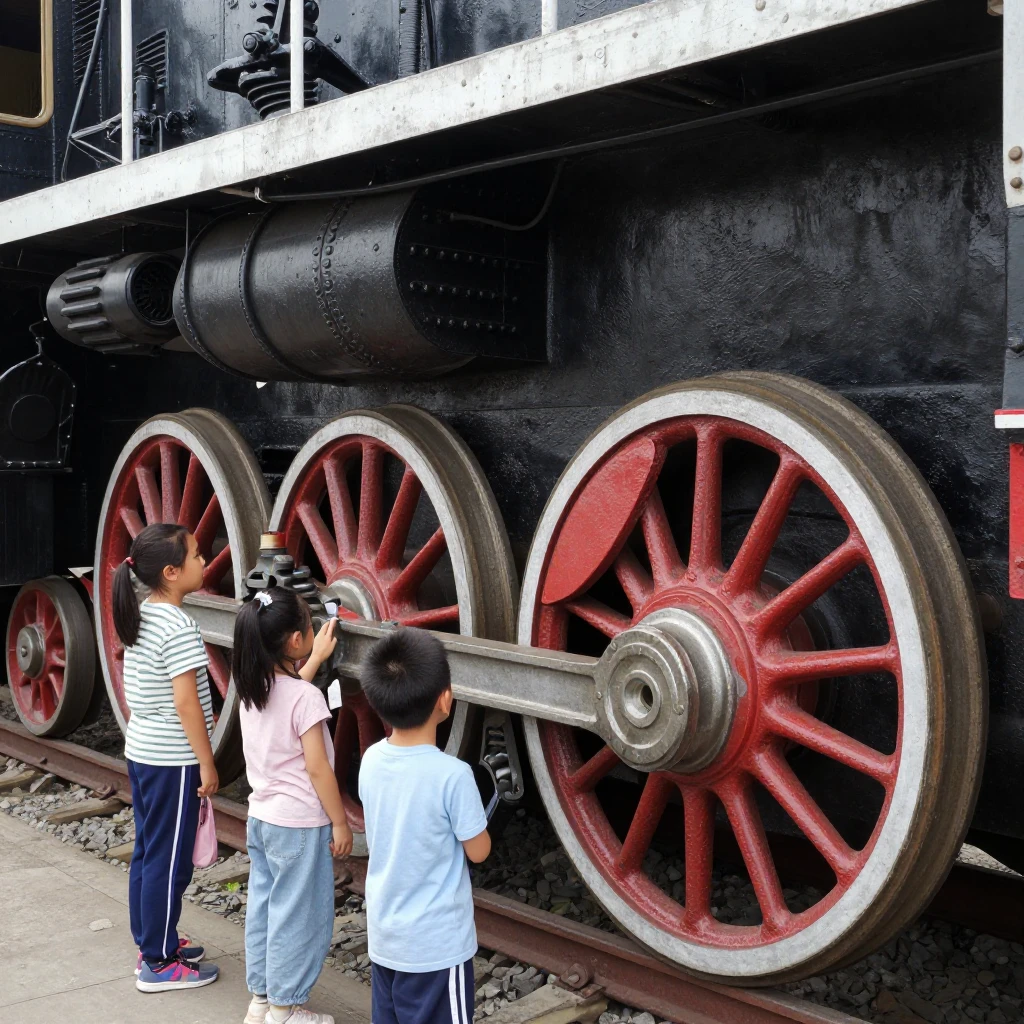
Railways shaped how people and goods moved between communities, and a preserved locomotive offers a concrete starting point for learning about that change. Families can look at the wheels, couplings, cab, and overall scale, then ask simple questions: What might this train have carried? How did its crew communicate? What would a trip have felt like before modern transport?
Keep the story grounded in what the site can verify. Locomotives have different histories, and details such as a particular model, operator, service line, or date should not be guessed from appearance alone. Read the display signs, consult the site’s official heritage information, or check local museum and municipal resources before presenting specific claims to children.
The river and railway also offer a useful contrast. The Gatineau River is a long-standing feature of the landscape, while railway infrastructure reflects a particular period of human movement and development. Seeing both during one outing helps children understand that local history is tied to places and routes, not only names and dates.
Family-Friendly Highlights Along the Way
Family-friendly highlights along the Gatineau River route include waterside scenery, safe places to pause, and the locomotive as a hands-on point of interest. Choose stops that match your group’s ages, energy, and the access available on the day.
At a scenic viewpoint, try a quick observation game: ask each child to find something moving, something reflected in the water, and something that has stayed still. It gives a short walk a purpose without turning the outing into a lesson. If there is a suitable picnic area where you are visiting, use it for lunch or a snack; confirm that picnicking is allowed and bring out all rubbish.
The locomotive can keep children engaged through close observation. Invite them to compare its size with a car or bicycle, notice how the wheels connect, or imagine which parts a crew might have used. Keep children within designated visitor areas and follow any barriers or site rules. A historic display is an opportunity to look closely, not to climb or handle equipment.
For younger children, alternate active stretches with quieter pauses. Older children may enjoy taking photographs, sketching a river view, or recording a few questions to investigate later. These small activities help a family day out feel varied without requiring special equipment.
Practical Tips for a Smooth Day Out
A smooth day along the Gatineau River starts with checking access and weather, dressing for the conditions, and packing water and snacks. Bring only what your chosen route requires, since a heavy bag can make a short family walk feel much longer.
Check current notices for the path and locomotive site before leaving. Look for closures, construction, seasonal access changes, permitted activities, and information about toilets, parking, or picnic areas. Accessibility can vary by location: confirm surface type, gradients, steps, and available facilities if anyone in your group uses a stroller, wheelchair, or mobility aid.
Pack for a flexible outdoor visit:
- Water for each person and snacks suited to the length of the outing.
- Weather-appropriate layers, comfortable footwear, and sun or rain protection.
- A small first-aid kit, any essential medication, and a charged phone.
- Reusable bags for rubbish, plus any child-friendly activity such as a notebook or binoculars.
Plan a break before children are exhausted, not after. If the weather turns, a riverside route may offer little shelter, so identify a sensible point to shorten or end the visit. Avoid the common mistake of combining too many stops: trying to fit a long walk, a picnic, and an extended heritage visit into one day can leave little time to enjoy any of them.
Make the Most of Your Visit
To make the most of a Gatineau River visit, pair one manageable route section with one meaningful history stop and leave time for a meal or rest. This keeps the family day out balanced without depending on unverified distances or facilities.
Start by checking the latest information for your chosen river access point and locomotive site. If conditions suit, walk or cycle a short section first, pausing at a viewpoint or suitable picnic stop. Then visit the locomotive and use its details to talk about how people travelled and how the area changed. Reverse the order if the site’s hours or access make that more practical.
A simple family rhythm is explore, pause, discover: move along the river, stop for a snack or scenery, then spend unhurried time with the locomotive. Keep the plan adaptable. If children are thriving, add another short walk; if they are tired, finish with the highlight they enjoyed most.
The strongest outing is rarely the one with the fullest schedule. A clear route, a few well-chosen stops, and a genuine conversation about the railway’s place in local history can make the Gatineau River memorable for adults and children alike.