Planning a Family Day Along the Gatineau River Route: A First-Time Visitor’s Guide

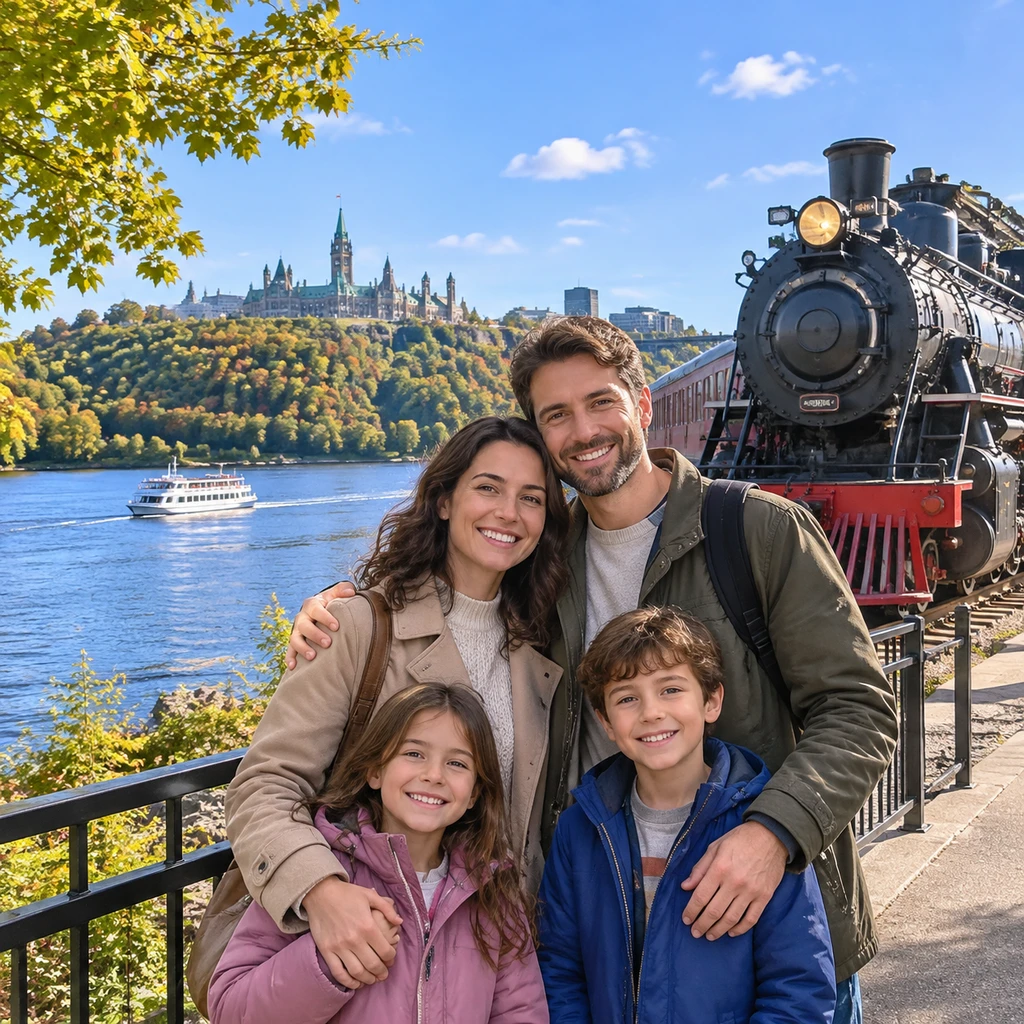
The Gatineau River Route brings together river scenery, the landscapes of the Gatineau Valley, and a railway story that helped shape the region. For a first visit, plan around confirmed access and current railway operations, then leave room for unhurried stops, a picnic, and time outdoors with the family.
What to Expect Along the Route
The Gatineau River Route is an outing through a landscape shaped by water, communities, and rail travel. The exact experience depends on which areas and railway sites are open when you visit, so check local information before setting out.
Along the Gatineau River, families can look for changing views, wooded stretches, and places to pause near the water where public access is permitted. A heritage railway or rail yard may add a glimpse of a locomotive and the work behind historic trains, but train rides, viewing areas, and facilities should never be assumed to operate every day.
Think of the route as a flexible collection of experiences rather than one continuous attraction. Choose a manageable area, confirm how to reach it, and build in breaks. That approach works better for young children than trying to cover every possible scenic stop in a single day.
A Short History of the Gatineau Valley Railway
The railway helped connect Gatineau Valley communities and support the movement of people and goods. Locomotives made travel and transport more practical across the region, while rail service became closely tied to the valley’s economic development, including the logging industry.
In the age of steam, a locomotive turned fuel and water into motion: heat produced steam, and pressure drove the machinery that moved the train. Railways could carry timber and other freight to wider markets, linking work in the valley with destinations beyond it. For local residents, trains also offered another way to travel between communities.
Rail technology changed over time, with diesel locomotives eventually taking on many duties once handled by steam. The transition brought different operating needs, but it did not erase the legacy of the earlier railway. Today, a heritage locomotive or depot can help families picture the engineers, builders, and crews who kept rail travel moving. Treat historic equipment as working or fragile property, and view it only from permitted areas.
Scenic Stops and Family-Friendly Things to Do
Scenic stops along the Gatineau River Route can suit a family day at any age: choose an accessible public viewpoint, an authorized trail, or a confirmed railway activity. The right stop is one that matches your children’s energy, the day’s conditions, and what is actually open.
Consider mixing a few different kinds of activities rather than planning around a train ride alone:
- Take a short riverside walk on a designated public path, keeping children well back from the water’s edge.
- Watch for wildlife quietly from a safe viewpoint. Bring binoculars if you have them, and avoid feeding or approaching animals.
- Look for rail history at an authorized heritage site or viewing area. Explain that tracks are never a place to walk or play.
- Pause for a picnic where eating is permitted, and pack out all rubbish.
- Try a bike ride only on a suitable, open route; confirm surface, distance, and traffic conditions first.
For younger children, make the journey part of the fun: ask them to notice river bends, bridges, changing leaves, or locomotive details from a safe distance. A short outing with time to explore often beats a packed itinerary.
Plan Your Day: Timing, Food, and What to Pack
Plan a Gatineau River Route day trip by confirming access first, choosing one or two main stops, and leaving spare time for meals and rest. Since schedules, facilities, and train operations can change, verify current details with the relevant site or local tourism information before travelling.
A flexible one-day plan
- Morning: Start with your main confirmed activity, such as an open heritage site, trail, or riverside visit. Arriving earlier can leave more room to adjust if children need a break.
- Midday: Eat at a permitted picnic area or a local café you have confirmed is open. Keep a backup food option in case nearby businesses or facilities are unavailable.
- Afternoon: Choose a shorter walk, wildlife-viewing pause, or second scenic stop. Head back before tiredness or changing weather makes the day difficult.
Pack water, snacks, weather-appropriate layers, comfortable footwear, sun protection, and any needed medications. Add a small first-aid kit, wipes, and a bag for rubbish. If you plan to use trails or visit a depot, check whether there are restrictions, washrooms, or other services rather than relying on assumptions.
To keep costs predictable, bring lunch and focus on free public scenery where access is allowed. A paid train experience or guided activity may be memorable, but check availability and cost before making it the centrepiece of the day.
Safety and Accessibility for Families
Families can enjoy the Gatineau River Route safely by staying on authorized paths, keeping clear of railway tracks, and supervising children closely near water. Check the specific site’s safety notices and access information before leaving home.
Tracks are off-limits unless staff explicitly direct visitors to a designated crossing. Trains can be quiet or arrive with little warning, and railway equipment may move even when it appears inactive. Watch locomotives only from permitted public areas, obey barriers, and never climb on rail cars or historic machinery.
At the river, choose stable ground, keep children within arm’s reach near the bank, and avoid slippery rocks or fast-moving water. Conditions can change with weather and water levels. If a route is crowded, wet, or poorly suited to your group, choose another confirmed public area instead.
Accessibility varies by location. Before visiting, ask about surfaces, slopes, distance from parking, seating, washrooms, and whether a heritage train or building can accommodate your needs. Do not assume a trail, platform, or historic depot is step-free. Confirm details directly with the operator or site, especially when travelling with a stroller or mobility device.
Making the Most of Every Season
Every season changes the Gatineau River Route, but weather, trail conditions, and railway operations determine what families can do. Confirm what is open before travelling and choose clothing and activities for the day’s forecast.
In spring and after rain, expect muddy or slippery paths and bring footwear that can get dirty. Summer offers longer daylight for outdoor stops, but carry water, sun protection, and insect repellent. In autumn, foliage can make the river landscape especially appealing; weekends and popular viewpoints may be busier, so allow extra time.
Winter can bring its own scenery and outdoor possibilities, but not every trail, service, or rail attraction remains open. Check for snow and ice conditions, dress in warm layers, and keep outings shorter if children are cold. A rainy-day visit may still work if a confirmed indoor or covered site is available; otherwise, have a flexible backup plan rather than assuming shelter will be provided.
Whatever the season, a little preparation goes a long way: verify access, pack for changing conditions, and let the family’s pace guide the itinerary. That leaves room to enjoy both the Gatineau River and the railway history that runs through the valley.